
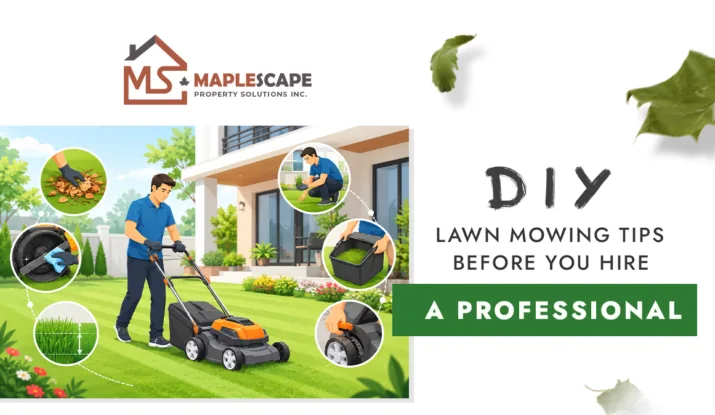
Mowing your lawn may look simple, but the way you cut grass directly affects how healthy, green, and even your yard looks. Many homeowners start with DIY lawn mowing because it feels manageable, especially for smaller properties. But without the right technique, mowing can also cause weak roots, brown patches, uneven growth, and weed problems.
Before hiring a Grass Cutting Service, it helps to understand the basics of proper mowing. These tips can help you manage your lawn better, avoid common mistakes, and know when professional support may be the smarter option.
What Is the Correct Way to Mow Grass?
Good mowing is not just about cutting the grass shorter. It is about trimming it in a way that supports healthy growth.
The correct way to mow includes:
- Using sharp mower blades
- Cutting only when the grass is dry
- Setting the mower at the right height
- Avoiding aggressive cuts
- Changing mowing direction regularly
- Cleaning up clippings from hard surfaces
A clean cut helps grass recover faster. If the blades are dull or the mower is set too low, the grass may tear instead of cutting properly. This can leave the lawn looking brown or rough after mowing.
What Height Should Grass Be Cut?
Cutting height is one of the most important parts of lawn care. Many homeowners cut grass too short because they want the lawn to stay neat for longer. This usually does more harm than good.
For most lawns, keeping grass around 2.5 to 3.5 inches is a safe range during active growing months.
Taller grass helps:
- Protect the soil from heat
- Hold moisture better
- Support stronger roots
- Reduce weed growth
- Improve lawn density
Cutting too low exposes the soil and weakens the root system. A lawn may look tidy for a short time, but it often becomes dry, patchy, and stressed later.
How Often Should You Mow Your Lawn?
There is no one fixed schedule that works for every lawn. Grass growth depends on weather, rainfall, sunlight, soil health, and the season.
In most cases, mowing every 1 to 2 weeks works well during the growing season. However, if there is heavy rain followed by warm weather, grass may grow faster and need more frequent cutting.
Instead of mowing only by calendar, watch the grass height. If the grass is getting too long, trim it gradually. Avoid cutting more than one-third of the grass blade at once.
This simple rule helps prevent shock and keeps the lawn healthier.
Should You Mow Wet Grass?
Mowing wet grass is usually not recommended. Wet grass bends under the mower, making it harder to cut evenly. It can also clump together and create messy patches across the lawn.
Problems caused by mowing wet grass include:
- Uneven cutting
- Grass clumping
- Soil compaction
- Mower clogging
- Higher risk of lawn disease
If it has rained recently, wait until the lawn dries before mowing. A dry lawn gives a cleaner cut and reduces stress on the grass.
Does Mowing Direction Matter?
Yes, mowing direction matters more than many homeowners realize. Cutting in the same direction every time can make grass lean one way and create visible mower tracks.
Try changing the pattern each time you mow.
For example:
- Mow horizontally one week
- Mow vertically the next time
- Use a diagonal pattern occasionally
Changing direction helps grass stand upright and grow more evenly. It also improves the overall look of the lawn.
Should You Bag or Mulch Grass Clippings?
Both methods can work, depending on the condition of the lawn.
Mulching is often helpful when the grass is not too long. Small clippings break down and return nutrients to the soil. This can support healthier lawn growth over time.
Bagging may be better when:
- Grass is overgrown
- Clippings are thick and clumpy
- The lawn has weeds going to seed
- You want a cleaner finished look
If clippings are light and evenly spread, mulching is usually fine. If they form heavy clumps, remove them so they do not block sunlight or trap moisture.
How Do You Avoid Lawn Damage While Mowing?
Many lawn problems are caused by small mowing mistakes repeated over time.
To avoid damage:
- Do not cut grass too short
- Do not mow during extreme heat
- Keep mower blades sharp
- Avoid mowing wet grass
- Do not remove too much height at once
- Watch for rocks, sticks, and debris before mowing
It also helps to inspect the lawn before each cut. Look for dry patches, weeds, soft soil, or uneven areas. This helps you adjust your approach instead of treating the entire lawn the same way.
Good lawn care and maintenance depends on observation, not just routine.
What Equipment Do You Need for DIY Lawn Mowing?
Basic lawn mowing requires more than a mower.
Useful equipment includes:
- Lawn mower
- Trimmer or edger
- Rake
- Gloves
- Safety glasses
- Extension cord, battery, or fuel depending on mower type
- Leaf blower or broom for cleanup
You also need to maintain your equipment. Mower blades should be sharpened, grass buildup should be cleaned, and battery or fuel systems should be checked regularly.
If the equipment is not maintained, even careful mowing may produce poor results.
When Does DIY Lawn Mowing Become Difficult?
DIY mowing is manageable for many homeowners, but it can become harder when the property requires more consistent or detailed care.
DIY may become difficult if:
- The lawn is large
- Grass grows too quickly
- You do not have time for regular mowing
- The yard has slopes or uneven areas
- Edging and trimming take too long
- You do not have proper equipment
- The lawn has recurring patchy areas or weeds
Homeowners often search for a grass cutting service near me when mowing starts taking too much time or when results are not as clean as expected.
When Should You Hire a Professional?
Professional help is useful when consistency, time, or lawn health becomes a concern.
You may consider hiring support if:
- You frequently miss mowing schedules
- The lawn becomes overgrown often
- You want cleaner edges and finishing
- The property needs regular seasonal care
- You are unsure how to handle weak or patchy grass
- You want to save time during busy months
A professional team can handle mowing, trimming, edging, cleanup, and basic lawn observation more consistently. This helps keep the property looking maintained without requiring you to manage every detail yourself.
Thus, DIY lawn mowing can work well when done with the right technique. Proper cutting height, sharp blades, dry mowing conditions, changing direction, and consistent scheduling all help protect the lawn and improve its appearance.
However, lawn care becomes harder when time, equipment, weather, and growth patterns are difficult to manage. For homeowners who want cleaner results without the pressure of weekly upkeep, professional service from MapleScape Property Solutions can help maintain a healthier, neater, and more attractive lawn throughout the season.