
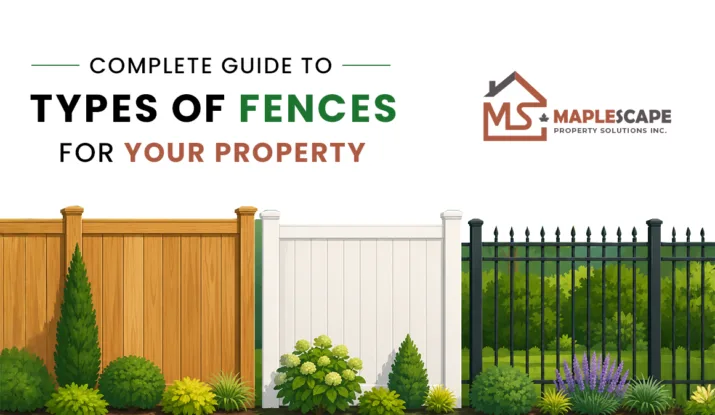
A fence does more than mark the edge of a property. It adds privacy, improves safety, supports curb appeal, and helps define how outdoor areas are used. The right fence can make a backyard feel more comfortable, protect garden spaces, and give the property a cleaner finished look.
For homeowners planning fence installation in Toronto, choosing the right fence type is one of the most important decisions. Material, design, maintenance needs, budget, and long-term durability all matter. This guide explains the common types of fences and what homeowners should consider before making a final choice.
Why Is Choosing the Right Fence Important?
Every property has different needs. Some homeowners want full privacy, while others need security, pet safety, garden protection, or a decorative boundary. A fence that works well for one home may not be the right choice for another.
Choosing the right fence helps with:
- Privacy
- Safety
- Property boundaries
- Outdoor appearance
- Noise reduction
- Pet and child safety
- Long-term maintenance
- Resale presentation
A fence is also a visible part of your outdoor space. If the style does not match the home or the material requires more care than expected, it can become a maintenance issue later.
What Should You Consider Before Choosing a Fence?
Before selecting a fence type, homeowners should think about both function and appearance.
Important factors include:
- Purpose of the fence
- Property size and layout
- Desired privacy level
- Local weather exposure
- Maintenance comfort
- Budget
- Fence height
- Material durability
- Style of the home
- Long-term repair needs
It is also important to inspect the existing outdoor space. Uneven ground, tree roots, drainage issues, and older fence posts can affect the installation process.
If an existing fence is damaged, homeowners may first need fence repair Toronto services before deciding whether full replacement is necessary.
Wood Fences
Wood fences are one of the most common choices for residential properties. They offer a natural look and can be built in different styles, from full privacy panels to decorative picket designs.
Wood fence benefits include:
- Warm and classic appearance
- Good privacy options
- Flexible design choices
- Can be painted or stained
- Works well with many home styles
However, wood requires maintenance. It may need staining, sealing, cleaning, and occasional repairs to protect it from moisture, rot, and weather damage.
Wood fences are a good option for homeowners who want a traditional look and are comfortable with regular upkeep.
Vinyl Fences
Vinyl fences are popular because they offer a clean appearance with lower maintenance compared to wood. They do not need painting or staining and are usually easier to clean.
Vinyl fence benefits include:
- Low maintenance
- Clean and modern look
- Resistant to rot
- Easy to wash
- Good privacy options
Vinyl can be a practical choice for homeowners who want a neat fence without frequent maintenance. However, it may have a higher upfront cost than some wood options.
It is also important to choose quality material, as lower-grade vinyl may become brittle or discoloured over time.
Chain-Link Fences
Chain-link fences are often used when security and boundary marking are more important than privacy. They are common for backyards, side yards, commercial properties, and pet areas.
Chain-link fence benefits include:
- Cost-effective
- Durable
- Quick to install
- Low maintenance
- Good for pets and boundaries
- Allows visibility
The main drawback is limited privacy. However, privacy slats or landscaping can be added if homeowners want more coverage.
Chain-link fencing is a practical option for larger properties or areas where function matters more than decorative appearance.
Metal Fences
Metal fences, such as aluminum, steel, or wrought iron styles, are often chosen for security and visual appeal. They can give a property a polished and elegant look.
Metal fence benefits include:
- Strong appearance
- Good durability
- Security-focused design
- Low maintenance options
- Works well for front yards and entrances
Metal fences usually do not provide full privacy because they are often designed with open spacing. They are better suited for homeowners who want security, structure, and curb appeal without blocking visibility.
Some metal fences may need rust protection, depending on the material and finish.
Privacy Fences
Privacy fences are designed to block visibility from neighbouring properties, streets, or back lanes. They are usually taller and built with solid panels or closely placed boards.
Privacy fence benefits include:
- Better backyard comfort
- Reduced outside visibility
- Clear property separation
- Improved outdoor relaxation
- Useful for pools, patios, and family spaces
Wood and vinyl are common materials for privacy fencing. Homeowners who use their backyard frequently may find this style especially useful.
Before installing a privacy fence, check local rules, property lines, and height limits to avoid future issues.
Picket Fences
Picket fences are more decorative than privacy-focused. They are often used in front yards, garden areas, or smaller residential properties.
Picket fence benefits include:
- Classic curb appeal
- Decorative boundary
- Open and welcoming look
- Good for garden spaces
- Works well with traditional home styles
Picket fences are not ideal for homeowners who need high privacy or strong security. However, they can improve the appearance of the front yard and clearly define outdoor space.
Horizontal Fences
Horizontal fences have become popular for modern homes. Instead of vertical boards, the panels run horizontally, creating a clean and contemporary appearance.
Horizontal fence benefits include:
- Modern design
- Strong visual impact
- Good privacy options
- Works well with landscaped yards
- Can make outdoor spaces feel wider
These fences need careful installation because uneven spacing or poor alignment is more noticeable. Material quality also matters, especially with wood, since boards can shift over time if not installed properly.
Decorative Garden Fences
Garden fences are usually smaller and used to separate planting areas, protect flowers, or create visual structure in the yard.
Garden fence benefits include:
- Better garden organization
- Protection from pets or foot traffic
- Decorative outdoor detail
- Easy boundary marking
- Simple design flexibility
These fences are not usually built for privacy or security. They are best for homeowners who want to improve garden layout and protect specific areas.
Which Fence Is Best for Privacy?
For privacy, solid wood and vinyl fences are usually the most practical choices. They can be built taller and with limited gaps, helping block visibility.
A good privacy fence should consider:
- Height
- Panel spacing
- Material strength
- Gate placement
- Long-term maintenance
- Wind exposure
Privacy fences are especially useful around backyards, patios, pools, and outdoor seating areas.
Which Fence Is Best for Low Maintenance?
Vinyl, chain-link, and some metal fences are often easier to maintain than wood. They usually require less frequent cleaning and fewer protective treatments.
Low-maintenance fencing may be a better choice for busy homeowners who want long-term performance without regular staining, sealing, or repainting.
However, low maintenance does not mean no maintenance. Every fence should still be inspected seasonally for damage, loose parts, leaning posts, or gate issues.
How Does Fence Maintenance Affect Longevity?
Fence maintenance is important no matter which material you choose. Weather, moisture, wind, soil movement, and everyday use can slowly affect fence condition.
Basic fence maintenance includes:
- Checking posts
- Inspecting boards or panels
- Cleaning dirt and debris
- Watching for rust or rot
- Checking gate alignment
- Removing weeds near the fence line
Regular inspection can help identify small problems early. This is an important part of general property maintenance services because a damaged fence can affect both safety and appearance.
Should You Repair or Replace an Existing Fence?
If you already have a fence, inspect it carefully before choosing a new one. Minor damage may only need repair, while widespread damage may require replacement.
Repair may be suitable when:
- Only a few boards are damaged
- The gate needs adjustment
- Hardware is loose
- One section has minor storm damage
- The posts are still strong
Replacement may be better when:
- Multiple posts are weak
- Large sections are leaning
- Rot has spread widely
- Repairs are becoming frequent
- The fence no longer meets your privacy or safety needs
A practical decision should consider the fence age, damage level, repair cost, and long-term value.
The best fence for your property depends on your goals, budget, style preference, and maintenance expectations. Wood offers a natural look, vinyl provides low-maintenance privacy, chain-link is practical and cost-effective, metal adds structure, and decorative fences improve garden appeal.
Before choosing a fence, consider how the space will be used, how much privacy you need, and how much maintenance you are comfortable managing. For homeowners who want expert support with fence selection, installation, repair, and outdoor upkeep, professional service from MapleScape Property Solutions can help create a cleaner, safer, and better-defined property.